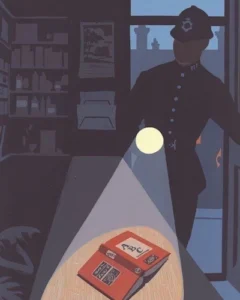
ادای احترام به ویلکی کالینز
یک مرور جامع بر نُه رمان معمایی ــ تی اس الیوت ــ (New Criterion، ژانویهی ۱۹۲۷)
معمای دآربلی ــ اثر آر. آستین فریمن
گامهایی که متوقف شدند ــ اثر ای. فیلدینگ
خانهی گناه ــ اثر آلن آپوارد
الماس در سُم ــ اثر تریل استیونسون
طلسم دنجرفیلد ــ اثر جی. جی. کانینگتن
ناپدیدشدنهای اسرارآمیز ــ اثر جی. مکلئود وینسور
گامها در شب ــ اثر سی. فریزر-سیمسون
معمای پارک اسقف ــ اثر دونالد دایک
پروانهی مسینگهام ــ اثر جی. اس. فلچر
در یکدو سال اخیر، حجم تولید داستانهای کارآگاهی بهناگاه بالا گرفته، بهطوری که گمان میکنم ــ و این گمان بیدلیل نیست ــ چنین داستانهایی رونق یافته و تقاضا رو به فزونی گذاشته است؛ وگرنه چهگونه ممکن بود تقریباً در فهرست هر ناشر، یکیدو تا از این «تریلر»های مهیج پیدا شود؟ (گمانهزنی دربارهی علت فزونی این تقاضا میتواند سرگرمکننده باشد، ولی نتیجهاش هرچه باشد، سندی قطعی به دست نمیدهد). آنچه اما میتوان نشان داد، و خود فینفسه جالب هم هست، این است که همین افزایش تقاضا و رقابت، گونهای تازهتر ــ و بهگمانِ من برتر ــ از داستان کارآگاهی پدید آورده؛ آنقدر که میتوان برخی قواعد کلی برای فنون اینگونه داستانها معین کرد؛ و نیز اینکه، هرچه داستان کارآگاهی وفادار به «قواعد بازی» باشد، همانقدر هم به شیوهی عملی ویلکی کالینز نزدیک میشود. چراکه کتاب بزرگِ «سنگ ماه» (که بذر داستان کارآگاهی انگلیسی را کاشت) مادر همهی قوانین این بازی است، و هر داستان کارآگاهی، تا آنجا که «خوب» باشد، قوانین استخراجشده از همین کتاب را رعایت میکند. نمونهی اصیل داستان کارآگاهی انگلیسی از نفوذ «پو» برکنار مانده؛ خود شرلوک هلمز ــ با همه خیل خلف معنویاش ــ در پارهای نکاتِ مهم، یک استثناست. اصطلاح «نمونهی اصیل انگلیسی» را هم از این رو به کار میبرم که داستان هر سرزمین، عطر و رنگ و لهجهی خاص خود را دارد؛ به همین قیاس جالب است که نشان دهیم قصههای جنایی فرانسوی ــ خاصه آرسن لوپن و جوزف رولتاویل ــ همانطور که داستانهای انگلیسی به «سنگ ماه» میرسند، به «کنت مونتکریستو» دوما میرسند؛ اما این رهرو گفتوگو را از مقصود ما دور میکند.
داستان کارآگاهی را نمیتوان همچون انواع دیگر داستان تحلیل کرد: منتقد نباید طرح داستان را لو بدهد (وگرنه لذت خواننده تباه میشود). از این رو است که این مجموعهی کوچک، اما بهگمان من نمایندهی محصول فصل جاری، را بر پایهی سلسلهمراتبی که از حیث ارزششان میشناسم، چیدهام. «پروانهی مسینگهام» را باید «خارج از رقابت» گذاشت؛ چراکه، در عمل، چیزی نبود جز مجموعهای از داستانهای کوتاه بیارتباط با هم از نوع کارآگاهی (که نه آنقدر ارزش داشتند که بازچاپ شوند و نه از جهت قوام فنی درخور تأمل بودند)، هرچند همین اثر، نشان میدهد که رمانهای بلندتر آقای فلچر لابد محکمترند. دو کتاب پیش از آن («گامها در شب» و «معمای پارک اسقف») اساساً کارآگاهی نیستند، چرا که فاقد کارآگاهاند؛ و از این بابت، از نظر فنی، ارزش اندکی دارند. باقی آثار، هر چند بیبهره از حسن نیستند، اما همه، بهگونهای که کالینز هرگز نمیکند، یک یا چند قاعده از قواعد روشن بازی را نقض کردهاند.
نمیدانم چند قاعده را میتوان دقیقاً صورتبندی کرد، اما این چند اصلِ پیش رو، از دل همین آثار و نیز موارد مشابه تازهتر به دست آمده و «ادعای جامع بودن» ندارد. هر کدام از این کتابها لاجرم مرتکب یکی از این خطاها شدهاند، البته شدت و ضعف و گاه بخشودنیبودنشان تفاوت میکند:
۱. نباید داستان بر مکر و تغییر چهرههای پیچیده و نامحتمل بنا شود. این را از شخصیتی دلنشین چون هلمز میپذیریم، همانگونه که از لوپنِ لودهتر؛ اما در اصل، این کار، حقهبازی است. تغییر چهره باید گهگاه و حاشیهای باشد؛ کالینز در این مورد بیعیب است. زندگیهای دوگانهی پرآرایش هم افراط همین عیباند: لوپنِ ملبس به هیئت رئیس پلیس پاریس، که چهار سال تمام واقعاً هم همان رئیس بود، محظوظکننده است، اما در مجموع نارواست. اگر «گامهایی که متوقف شدند» این حربه را به کار نمیبست، بهترین اثر فهرست میبود.
۲. شخصیت و انگیزهی جنایتکار باید عادی باشد. در داستان کارآگاهی ایدهآل، خواننده باید حس کند شانسی «منصفانه» برای حل معما دارد؛ مجرمِ بیش از حد غیرعادی، عنصری غیرعقلانی را وارد متن میکند که آزاردهنده است. جنایت بیعلت، یا بیعلت طبیعی، همان حس فریبخوردگی را القا میکند. اگر این عیب نبود، داستانی دیگر در فهرست من، جایش بالاتر از «معمای دآربلی» میبود. هیچ سرقتی، مثلاً، نباید نتیجهی «کلپتومانیا» باشد (ولو که چنین بیماریای حقیقی باشد).
۳. داستان نباید بر پدیدههای ماوراءالطبیعی یا، که در اصل همان باشد، بر کشفیات غریب و بیپایهی دانشمندان منزوی تکیه کند. این نیز افزودن عنصر غیرعقلانی است: اشباح، تأثیرات مرموز، عناصر ناشناخته با خواص هولناک («انهدام اتم» لابد تا سالها در داستانهای بد، رونق خواهد داشت) همه در یک دستهاند. نویسندگان این قبیل شعبدهها شاید پشتگرم به نام اچ.جی. ولز باشند، ولی ولز درست به این خاطر در داستان علمیـتخیلی پیروز است که در محدودهی ژانر خود میماند. واقعیت او روی بستری دیگر است. در کارآگاهی برای این قماش، جایی نیست. دو اثر فهرست ما این خطا را مرتکب شدهاند.
۴. ابزار و مکانیزمهای غریب و پرآرایش، بیرون از متن اصلی معما، زایدند. نویسندگان کارآگاهیِ سختگیر و کلاسیک اینها را نمیپسندند. در بعضی داستانهای هلمز، این «لوازم صحنه» بیش از حد پررنگ میشوند. علاقهمندان به گنج پنهان، رمز و کد، علامت و آیین، نباید دلگرم شوند. البته باید فرق گذاشت: در «حشرهی طلاییِ» پو، رمز خوب است، چون به خواننده تمرین فکری مشروع میدهد؛ اما خود حشره و جمجمه تزیینات کودکانهاند. در «سنگ ماه»، «ماجرای هندی» ــ با اینکه تقلیدهای قلابی هندیمآب بسیاری گنجانده ــ در محدودهی عقلانیت است؛ هندیهای کالینز، انسانهایی هوشمند و با انگیزههای موجهاند.
۵. کارآگاه باید هوشمند، اما نه مافوقبشر باشد. خواننده باید بتواند استدلالهای او را دنبال کند و تقریباً، ولی نه کاملاً، به همان نتایج برسد. شاید بیشترین پیشرفت داستان امروز ــ که در واقع بازگشت به گروهبان کاف است ــ در همین جایگاه کارآگاه باشد. شمار کارآگاهان حرفهای، مجرب اما خطاپذیر، در داستانهای تازه چشمگیر است؛ پلیس جنایی (CID) احیا شده و کارآگاه آماتور دیگر همهکاره نیست. در کنار بازرس CID، نمونهی موفق دیگر، دانشمند پزشک است که کارش او را به جرم میکشاند. دکتر ثورندایکِ فریمن و دکتر تارلتونِ آپوارد هم حرفهایهای بیادعا هستند؛ شخصیت دارند، ولی زوائد نمایشی ندارند. یکی از درخشانترین لحظات در کل داستان کارآگاهی، شیوهی معرفی گروهبان کاف در «سنگ ماه» است (در روایت پیشخدمت، بترج). ظاهرش بیجاذبه و کسلکننده است، تا اینکه ناگهان، در حین صحبت با باغبان دربارهی گل رز، میگوید: «آها، زنی دارد میآید. آیا ممکن است لیدی ورایندر باشد؟» بترج و باغبان انتظار آمدن لیدی ورایندر را داشتند، آن هم از همان سمت؛ کاف نه. از همانجا بترج گمانش نسبت به کاف بهتر میشود. این نه مافوقانسان بودن کاف، که ذهن و حواس تربیتشدهی اوست.
از میان جوانترهای این رسته، بازرس گیلمور در «ناپدیدشدنهای اسرارآمیز» نویدبخش است: تندمزاجی اش اتفاقاً بهجاست و خصایل و محدودیتهایش چنان واقعنماست که اگر نویسنده از شعبدهی علمیاش (خطای شمارهی ۳) دست بردارد، آیندهای درخشان دارد. از همهی نامهای فهرست، «معمای دآربلی» کاملترین از حیث فرم است؛ دومی، بهخاطرِ طرح پخته، شایان توجه است و فقط در اواخر طرح، نامحتمل میشود؛ سومی نیز کاریست درخور ستایش. مابقی، زیر سایه این سه میمانند.
‘Homage to Wilkie Collins: An omnibus review of nine mystery novels’
(New Criterion, January 1927)
The D’Arblay Mystery, by R. Austin Freeman; The Footsteps that Stopped, by A. Fielding; The House of Sin, by Allen Upward; The Diamond in the Hoof, by Traill Stevenson; The Dangerfield Talisman, by J. J. Connington; The Mysterious Disappearances, by G. McLeod Winsor; Footsteps in the Night, by C. Fraser-Simson; The Bishops Park Mystery, by Donald Dike; The Massingham Butterfly, by J. S. Fletcher
During the last year or two the output of detective fiction has increased rapidly. I presume that detective fiction is successful, with a rising demand; otherwise one or two such thrillers would not appear on nearly every publisher’s list. It might be interesting to speculate on the reasons for this increased demand, but our conclusions would be undemonstrable. What can be shown, and is of interest in itself, is that the increased demand and competition is producing a different, and as I think a superior type of detective story; that some general rules of detective technique may be laid down; and that, as detective fiction observes the rules of the game, so it tends to return and approximate to the practice of Wilkie Collins. For the great book which contains the whole of English detective fiction in embryo is The Moonstone; every detective story, so far as it is a good detective story, observes the detective laws to be drawn from this book. The typical English detective story is free from the influence of Poe; Sherlock Holmes himself, and in spite of his numerous progeny, is in some important respects a sport. I say the ‘typical’ English detective story, because I believe that the crime fiction of every country has its own national character: it would be interesting, in this connexion, to show how French crime stories – notably Arsène Lupin and Jacques Rouletabille – may be derived from The Count of Monte-Cristo in the same way that English fiction is derived from The Moonstone; but that would lead us too far.
A detective story cannot be analysed like other fiction: the reviewer must not reveal the plot, or the reader will be robbed of his pleasure. I have therefore arranged the fiction here ‘reviewed’ – a small, but I dare say representative selection from the season’s product – as nearly as possible in what I think the order of merit. The Massingham Butterfly must be considered hors de concours, as it proved to be merely a collection of unrelated short stories of detective type; they are too slight to deserve reprinting, but suggest that Mr Fletcher’s longer detective stories are probably very good. The two preceding (Footsteps in the Night and The Bishops Park Mystery) are not properly detective stories either, because they have no detectives; therefore they are technically of little interest. All of the rest have some merit: all of them violate, as Wilkie Collins never violates, some obvious rule of detective conduct.
I do not know how many of these rules can be formulated; the following are drawn up from my study of the stories above, and other recent stories, and the list ‘does not pretend to completeness’. Every one of these stories commits one of these faults; they are, between one story and another, more or less heinous or excusable:
(۱) The story must not rely upon elaborate and incredible disguises. We accepted them from so engaging a character as Holmes, as we accept them from the more farcical Lupin: but we consider them to be trick work. Disguises must be only occasional and incidental: here Wilkie Collins is impeccable. Elaborate double lives, in disguise, are an exaggeration of this vice: Arsène Lupin disguised for four years as the head of the Paris police, and actually being the head of the police, is admirable fooling. But in general it is reprehensible. But for a device of this sort, The Footsteps that Stopped would be the best of our list.
(۲) The character and motives of the criminal should be normal. In the ideal detective story we should feel that we have a sporting chance to solve the mystery ourselves; if the criminal is highly abnormal an irrational element is introduced which offends us. If the crime is not to have a natural motive, or is without motive altogether, we feel again that we have been tricked. But for this fault, another story on my list would have been placed higher than The D’Arblay Mystery. No theft, for instance, should be due to kleptomania (even if there is such a thing).
(۳) The story must not rely either upon occult phenomena, or, what comes to the same thing, upon mysterious and preposterous discoveries made by lonely scientists. This, again, is the introduction of an irrational element: ghosts, influences, strange elements with terrifying properties (‘the destruction of the atom’ will probably flourish for several years in bad detective stories) are all in the same category. Writers of this sort of hocus-pocus may think that they are fortified by the prestige of H. G. Wells. But observe that Wells triumphs with his scientific fiction just because he keeps within the limits of a genre which is different from the detective genre. The reality is on another plane. In detective fiction there is no place for this sort of thing. Two of our list fall through this sin.
(۴) Elaborate and bizarre machinery is an irrelevance. Detective writers of austere and classical tendencies will abhor it. Some of the Sherlock Holmes stories make far too much of stage properties. Writers who delight in treasures hid in strange places, cyphers and codes, runes and rituals, should not be encouraged. But we must distinguish carefully. In Poe’s Gold Bug the cypher is good, because we are given the legitimate intellectual exercise of its explication; there is nothing sham or meretricious about it, but the gold bug itself, and the skull, are unnecessary and childish trappings. But in The Moonstone, the Indian business (though I fear it has led to a great deal of bogus Indianism, fakirs and swamis, in crime fiction) is perfectly within the bounds of reason. Collins’s Indians are intelligent and resourceful human beings with perfectly legitimate and comprehensible motives.
(۵) The detective should be highly intelligent but not superhuman. We should be able to follow his inferences and almost, but not quite, make them with him. It is perhaps in the Detective that the contemporary story has made the greatest progress – progress, that is to say, back to Sergeant Cuff. I am impressed by the number of competent, but not infallible professionals in recent fiction: Scotland Yard, or as it is now called, the C. I. D., has been rehabilitated. The amateur detective no longer has everything his own way. Besides the C. I. D. Inspector, another type is successful: the medical scientist whose particular work brings him into touch with crime. But Mr Freeman’s Dr Thorndyke and Mr Upward’s Dr Tarleton are also unpretentious professionals; they have personality, but are without extraneous trappings. One of the most brilliant touches in the whole of detective fiction is the way in which Sergeant Cuff, in The Moonstone, is introduced to the reader (in the narrative of the butler Betteredge). He is unimpressive, and dreary. But suddenly, while he is talking to the gardener about roses, ‘Hello,’ he says, ‘here’s a lady coming. Might it be Lady Verinder.’ Now Betteredge and the gardener had reason to expect Lady Verinder, and from that direction; Cuff had not. Betteredge begins to think better of Cuff. It is not that Cuff has superhuman powers; he has a trained mind and trained senses.
One of the most promising of the younger detectives is Inspector Gilmour in The Mysterious Disappearances. He is all the better for being rather a disagreeable person, and his peculiar talents and limitations are very lifelike. If the author will abandon his scientific trickery (error 3 above) there is a brilliant future for Inspector Gilmour. Of all of the stories named above, The D’Arblay Mystery is the most perfect in form. The second is the most remarkable in its complication of plot; and only towards the end becomes improbable; the third is also first-rate work. The rest are inferior to these three.